
About the Conference
Over the 20 years of existence of itSMF Slovakia, we have learned that inspiration is essential to advancing the tools, practices, and technologies we rely on every day. While innovation can emerge from individual effort, its most lasting impact is created through collaboration – by sharing experiences, lessons learned, and hard‑won insights. By bringing the […]
Read MoreSpeakers
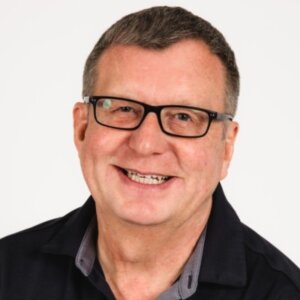
Principal Analyst & Content Director | Keynote Speaker ITSM.tools
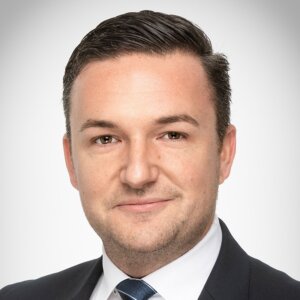
Partner, IT Assurance & Advisory | Keynote Speaker Forvis Mazars
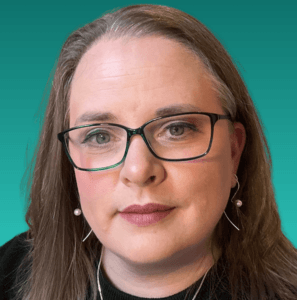
Director | Keynote Speaker Lapis Consulting Services

Executive Coach & Leadership Consultant | Keynote Speaker Wellbeing Advisory
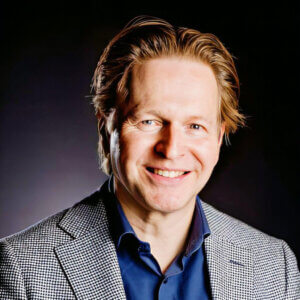
DevOps Architect / IT Management Architect DXC Technology
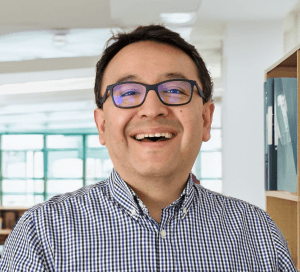
Head of Service Transformation Axians Spain
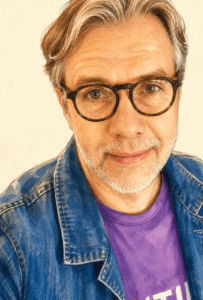
Senior ITIL architect PeopleCert

Stand-up comedian Comic relief
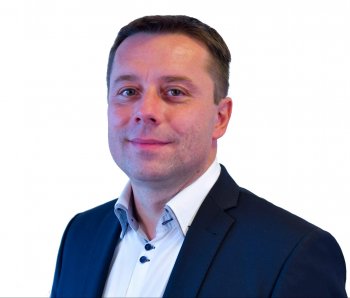
Executive Partner and Head of Consulting OMNICOM

COO BOOTIQ/BIQ Group BOOTIQ

Head of Process Management Department Tatra banka

Managing Partner | Senior Business Consultant sabi-consulting.cz

Cybersecurity Director in Technology Consulting and IT EY Czech Republic
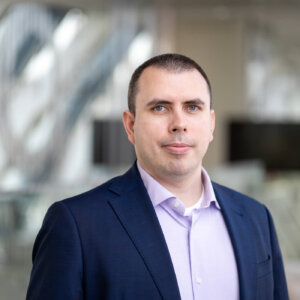
Senior Consultant in Cybersecurity EY Czech Republic
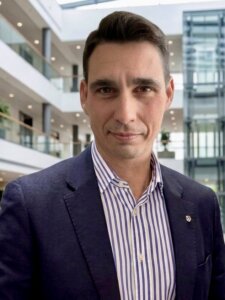
Chief Audit Executive Slovenská sporiteľňa
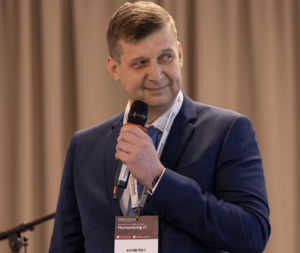
Divisional IT Manager / Chair itSMF Czech Republic IMI plc

Chairman itSMF International
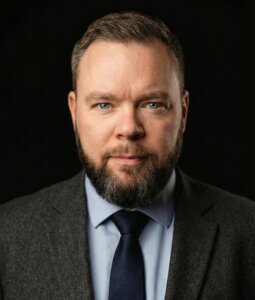
Digital Transformation Leader | AI Governance and Implementation Adviser | Speaker | ITIL (Version 5) Lead Author

Principal process consultant | President itSMF Belgium CEGEKA Belgium
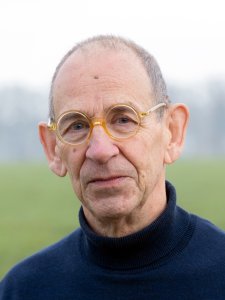
Writer & coach Smalley.IT
Partners












Programme
Opening (SK, EN)
27
2026-11-04
2026-11-04 13:00
12:45
00:00
Europe/Bratislava
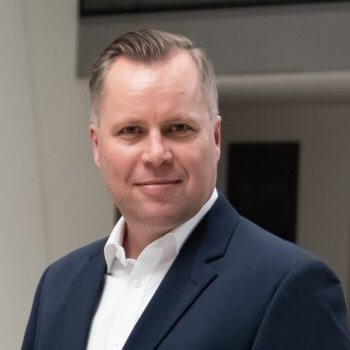
Igor Dimitrovič
itSMF Slovakia
Veronika Horniaková
itSMF Slovakia
Pavol Holbík
itSMF Slovakia
The System Behind the System: Leadership, Capacity and Sustainable Performance
27
2026-11-04
2026-11-04 13:40
13:00
00:00
Europe/Bratislava
Most leaders in tech are excellent at building systems — scalable, resilient, efficient, designed to perform under pressure. Yet many leaders run themselves and their organizations by a different logic: one that rewards urgency over sustainability, constant availability over recovery, and output over human capacity. Over time, this becomes more than a personal issue. It […]

Zuzana Reľovská
Executive Coach & Leadership Consultant | Keynote Speaker / Wellbeing Advisory
Change management starts in the business case
27
2026-11-04
2026-11-04 02:20
13:40
00:00
Europe/Bratislava
Most change management fails before the project starts, at the moment the goal is written down. The trigger is often technical, an unsupported system or an expiring licence, but if the goal itself says "replace the software", everyone, including the vendor, optimises for the technology and the way people work is left to sort itself out after go-live. Michal argues that change management belongs in the business case and tests the claim on two cases he is accountable for. Inside BIQ Group, where as COO he leads the consolidation of five companies, the order was processes first, then the organisation that owns them, then one shared Jira, and only after two years the choice of a tool for P&L and capacity planning. At DPD SK, the first SAP S/4HANA Public Cloud implementation in Slovakia, the trigger was an unsupported ERP, but the goal was written as standardised processes and one source of truth, which is what later earned the SAP Quality Award for CEE. He closes with what a project definition has to contain so that the change has an owner from day one.
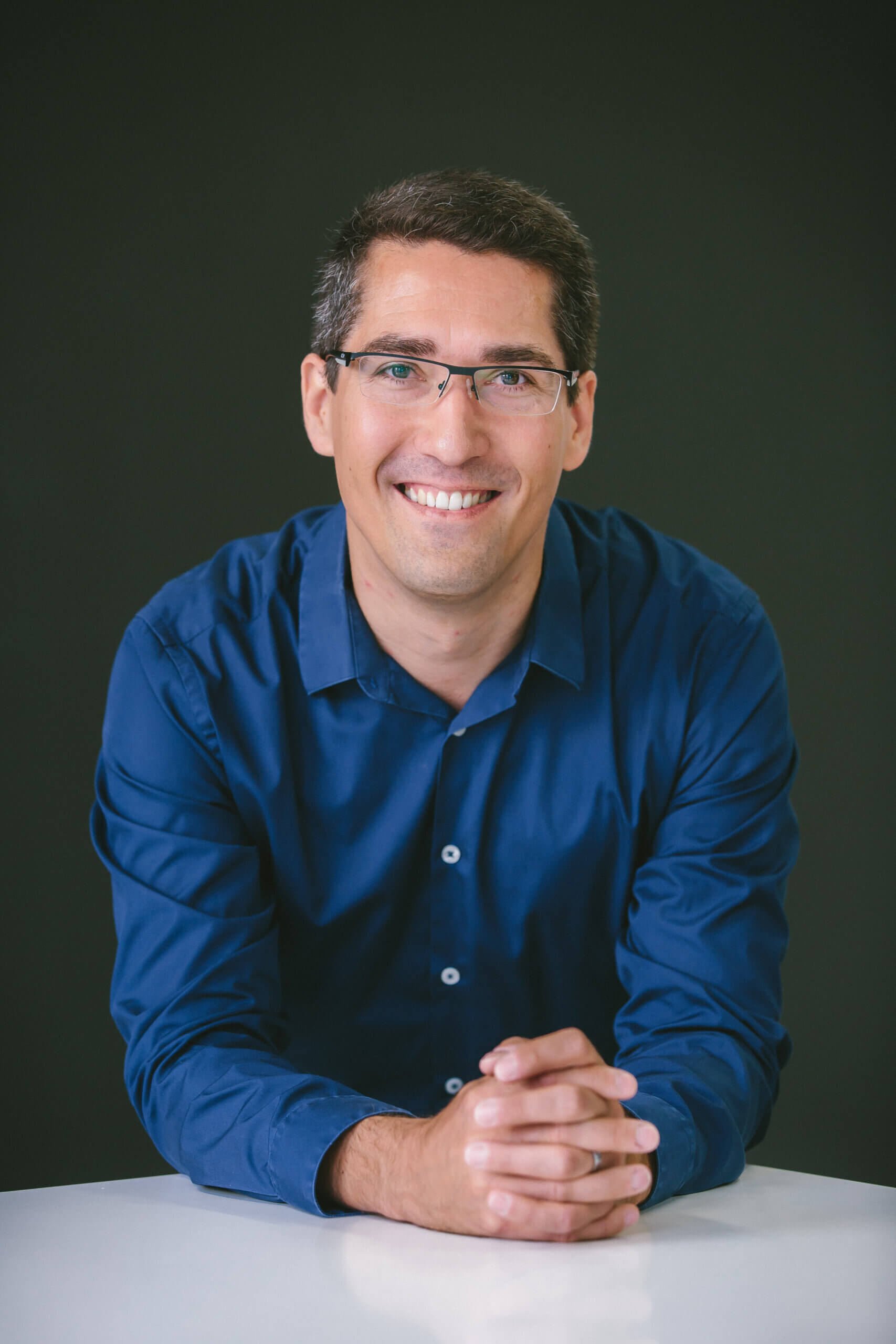
Michal Korf
COO BOOTIQ/BIQ Group / BOOTIQ
Community Spotlight: Enterprise Architecture
27
2026-11-04
2026-11-04 14:30
14:20
00:00
Europe/Bratislava
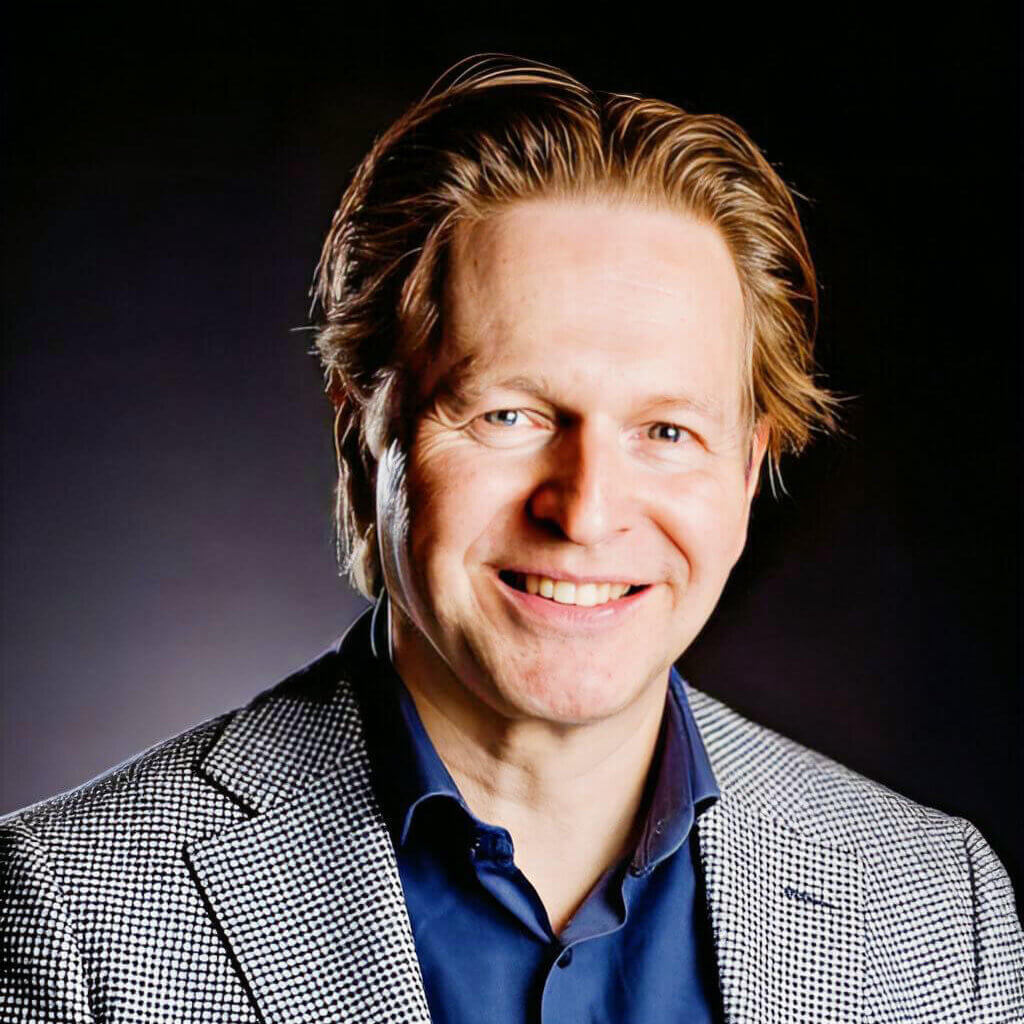
Rob Akershoek
DXC Technology
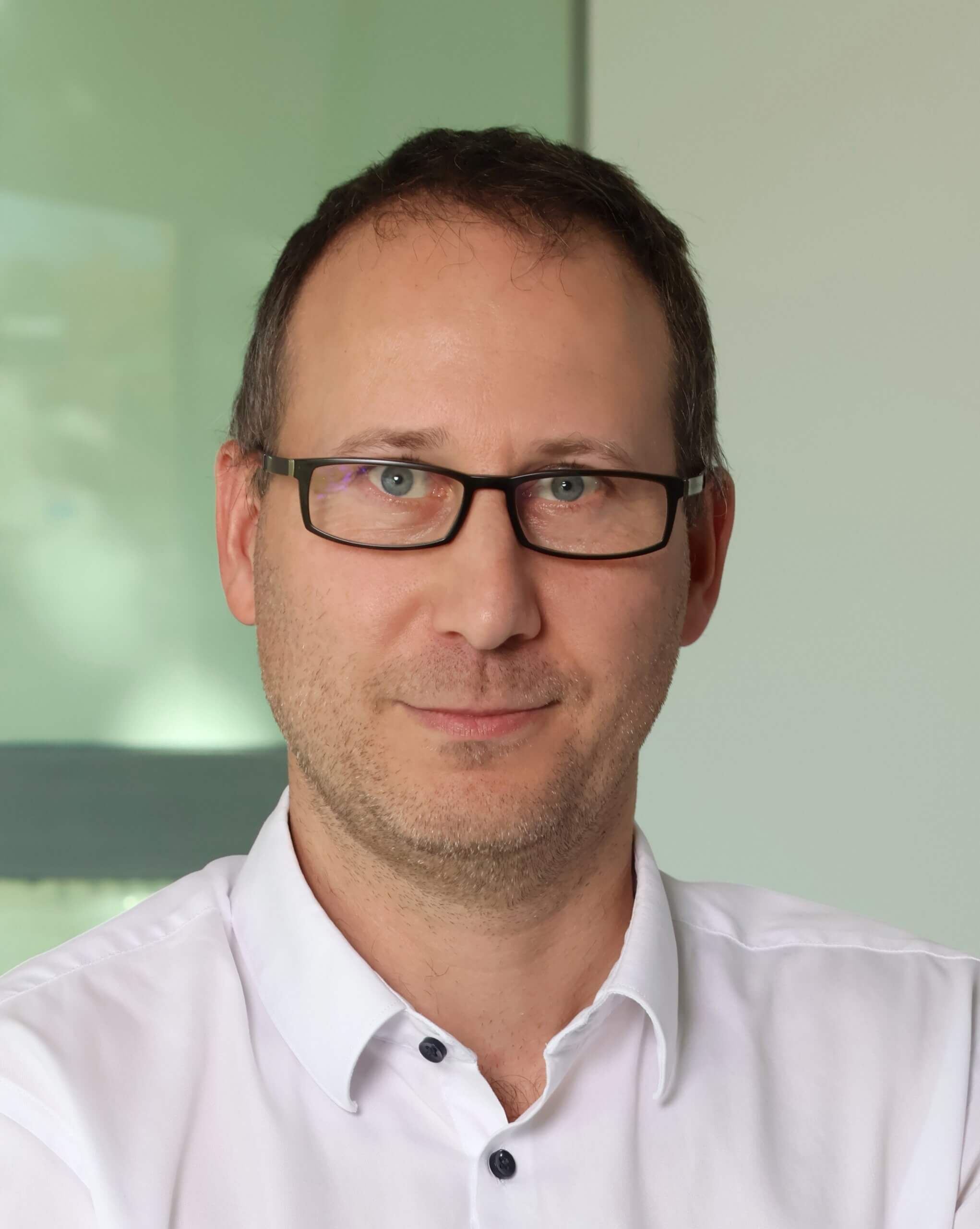
Rastislav Hudec
Slovenská sporiteľňa
Igor Dimitrovič
itSMF Slovakia
How to Fix the CMDB: Building a Digital Twin of your IT (EN)
27
2026-11-04
2026-11-04 15:10
14:30
00:00
Europe/Bratislava
Let’s face it—the CMDB has been a persistent challenge for many organizations. Despite years of effort, fragmented data, limited end-to-end visibility, and incomplete service models still prevent us from truly understanding and managing our IT landscape. In fact, many organizations cannot produce a reliable and complete overview of the services and applications they operate. As […]
Rob Akershoek
DevOps Architect / IT Management Architect / DXC Technology
Community Spotlight: Cybersecurity
27
2026-11-04
2026-11-04 15:50
15:40
00:00
Europe/Bratislava
Uroš Žust
Forvis Mazars

Miroslav Havelka
Laudeo
Igor Dimitrovič
itSMF Slovakia
Cyber Threat Landscape - What Has Changed and what to do about it
27
2026-11-04
2026-11-04 16:30
15:50
00:00
Europe/Bratislava
Cybersecurity is not a new discipline, but its significance has fundamentally changed. As organisations accelerate digital transformation, adopt cloud-native architectures, and embed AI into core processes, the attack surface has expanded far beyond traditional boundaries. At the same time, threat actors have become more organised, industrialised, and technologically advanced. This session will provide a focused […]
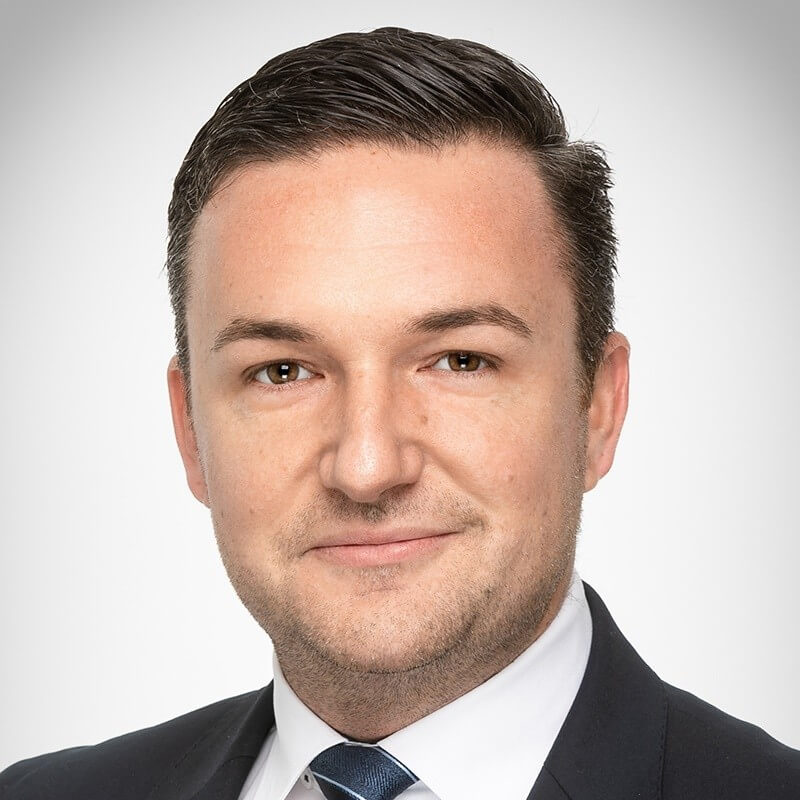
Uroš Žust
Partner, IT Assurance & Advisory | Keynote Speaker / Forvis Mazars
When BCM Becomes a Spreadsheet: Lessons Learned and Practical Paths to Resilience
27
2026-11-04
2026-11-04 17:00
16:30
00:00
Europe/Bratislava
Many organizations have Business Continuity Management (BCM) frameworks in place, yet few achieve their intended purpose. BCM often evolves into a complex spreadsheet maintained by a single individual, producing limited value for decision-making and resilience management. This presentation explores where and why this approach breaks down, showing how growing volumes of interconnected data can gradually undermine Business Impact Analysis (BIA), risk management, and recovery planning. Drawing on practical experience from projects across banking, government, and critical infrastructure sectors, we will share key lessons learned in designing a sustainable BCM ecosystem, including the management of assets, BIAs, risks, and recovery plans. The session will also discuss effective approaches to impact criteria, risk appetite, and the critical role of executive sponsorship in ensuring long-term BCM success. Finally, we will present a practical and cost-effective approach to modernizing BCM without relying on large-scale GRC platforms, including the use of lightweight applications and modern rapid-development techniques. The objective is to share real-world experience, highlight common pitfalls, and provide inspiration for building a BCM framework that genuinely supports organizational decision-making and resilience rather than merely satisfying compliance requirements.
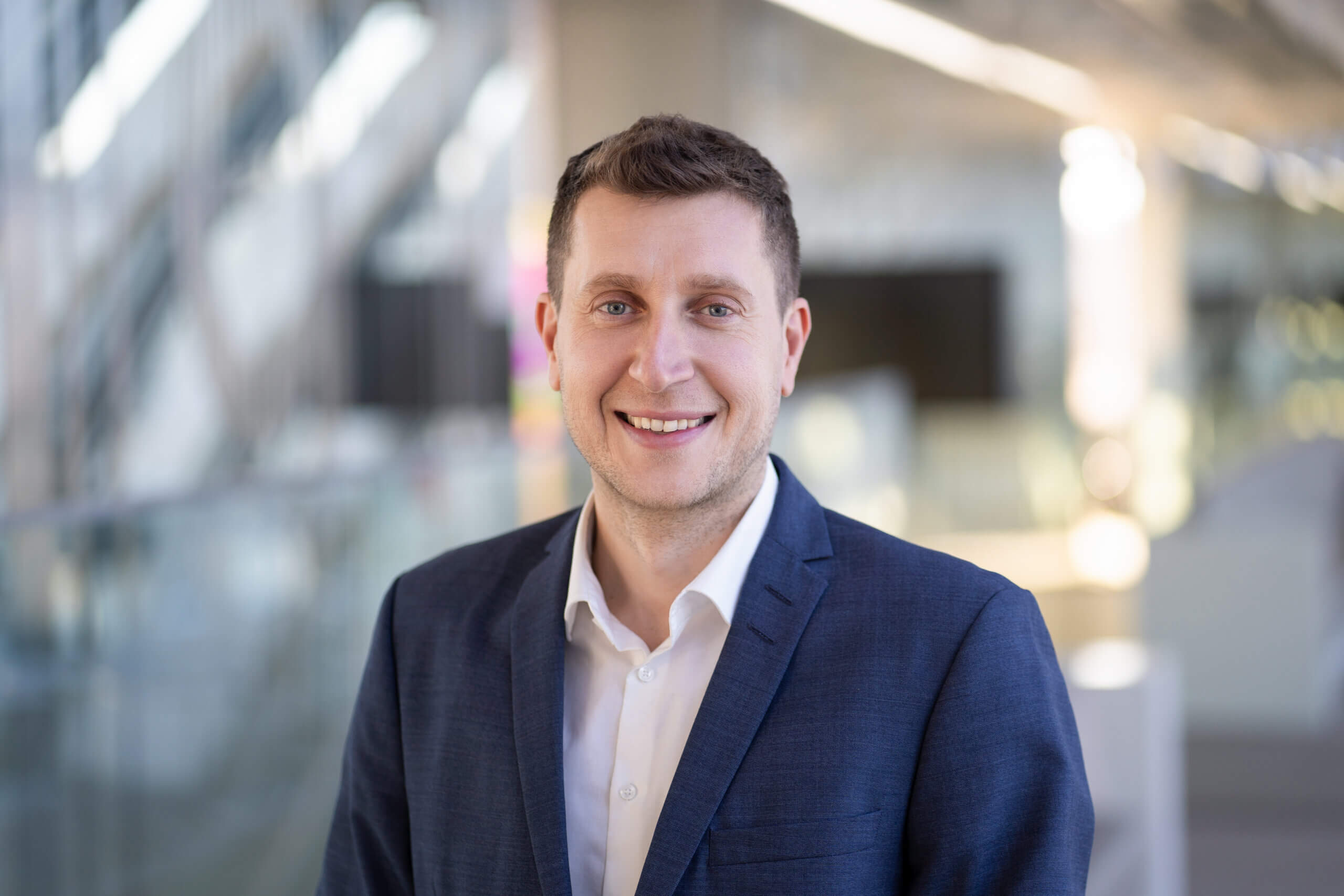
Jan Pich
Cybersecurity Director in Technology Consulting and IT / EY Czech Republic
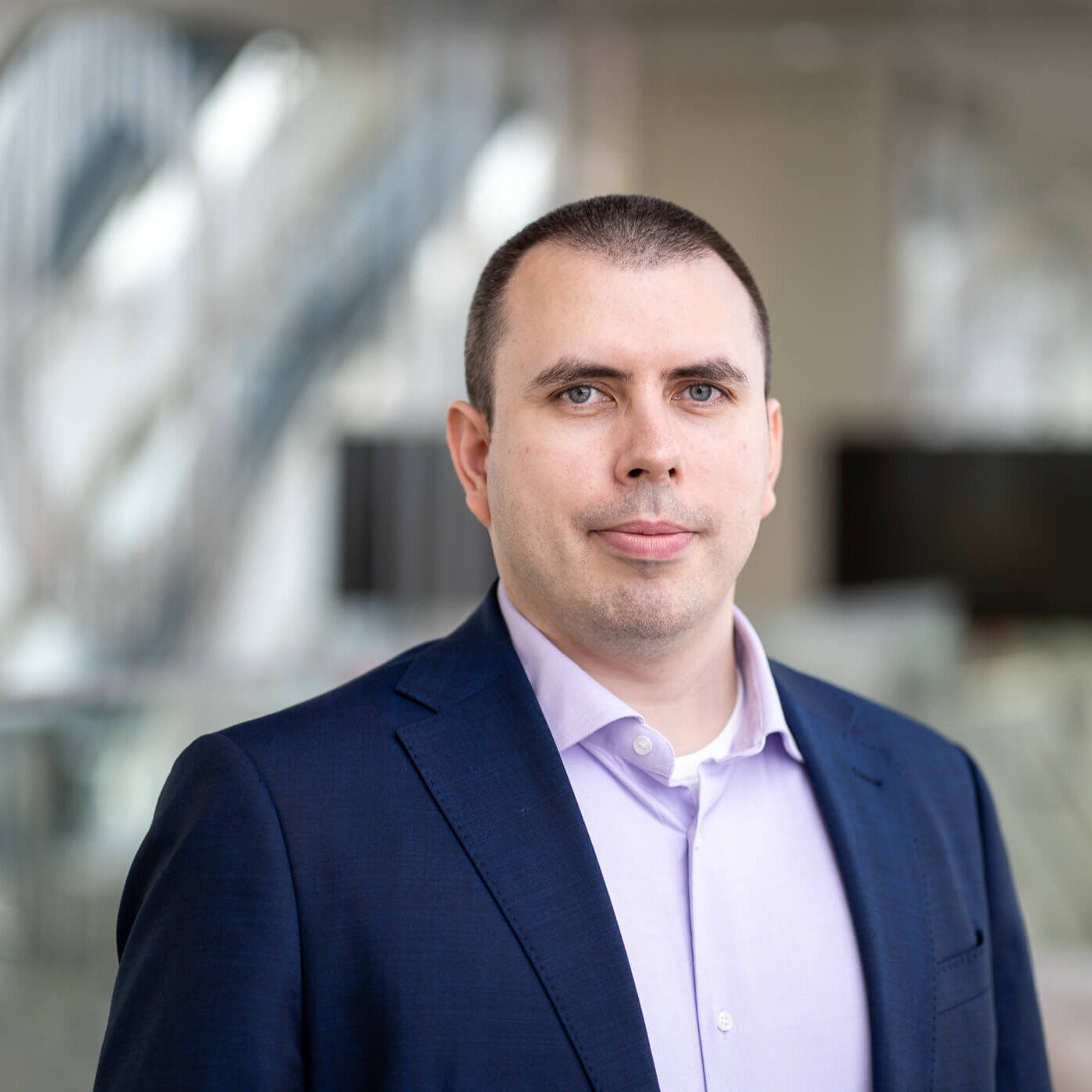
Zbyněk Vallo
Senior Consultant in Cybersecurity / EY Czech Republic
Agile Approach to Christmas Eve Project Execution:Lessons Learned Report
27
2026-11-04
2026-11-04 17:30
17:00
00:00
Europe/Bratislava
Post-project review of an Agile transformation and workflowmaxxing initiative leveraging KPI-driven, Scrum-oriented project delivery to achieve operational excellence and future-proof scalability, applied to the most resource-demanding and manpower-draining event of the year: Christmas. MA rated. Contains despair.

Samo Trnka
Stand-up comedian / Comic relief
Anniversary Panel (SK, EN)
27
2026-11-04
2026-11-04 18:10
17:30
00:00
Europe/Bratislava
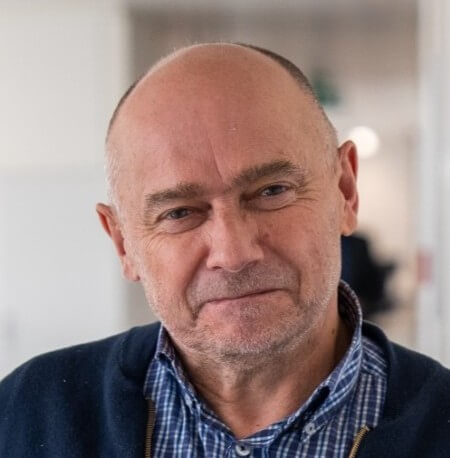
Eddy Peters
itSMF Belgium
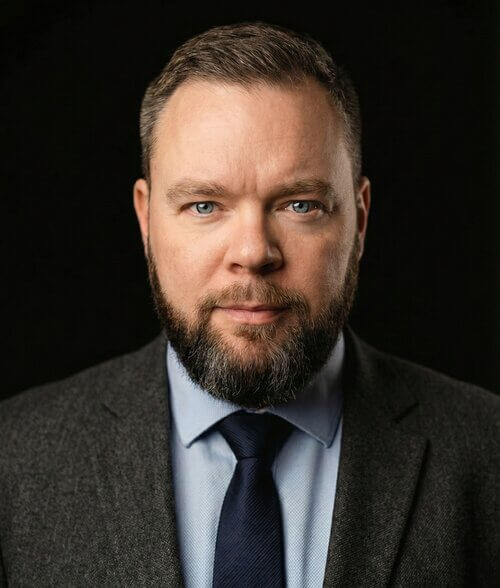
Kaimar Karu
Digital Transformation Leader
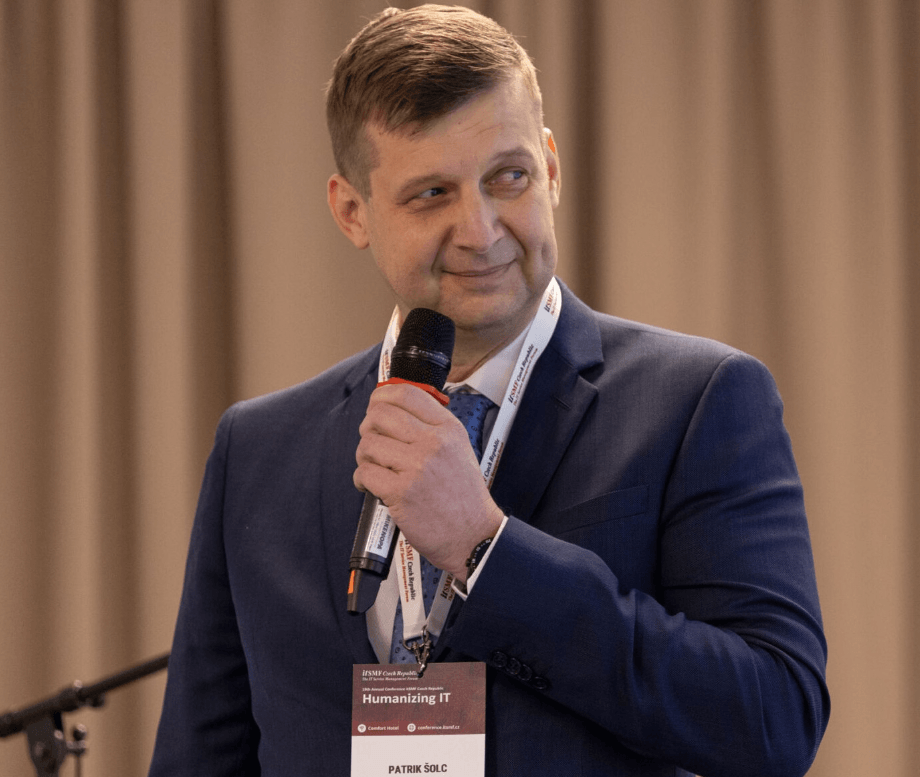
Patrik Šolc
itSMF Czech Republic
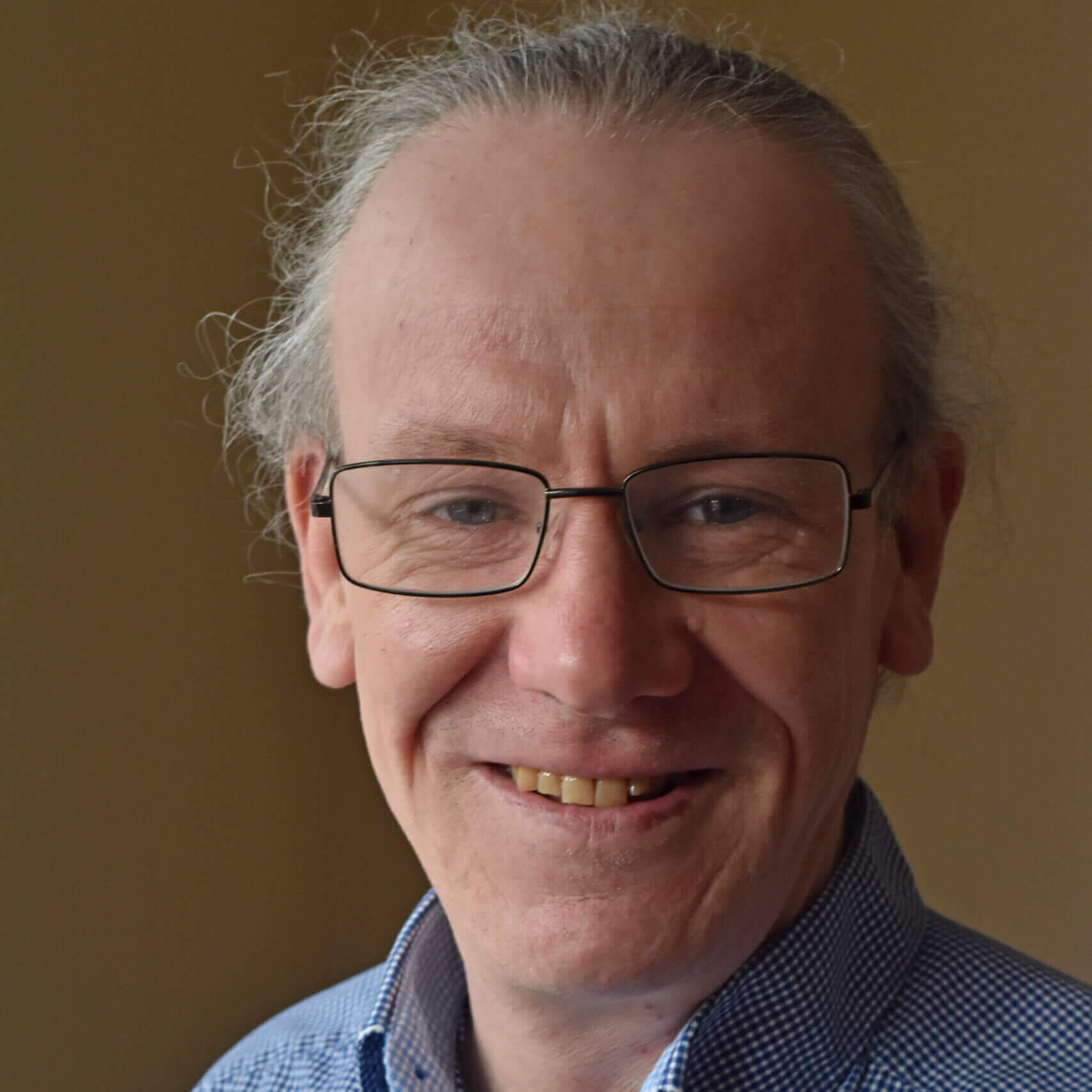
Richard Horton
itSMF International

Mark Smalley
Writer & coach
Rob Akershoek
DXC Technology

Sophie Hussey
Lapis Consulting Services

Stephen Mann
ITSM.tools
Uroš Žust
Forvis Mazars
Zuzana Reľovská
Executive Coach & Leadership Consultant
Dinner and Networking (RSVP)
27
2026-11-04
2026-11-04 23:00
18:15
00:00
Europe/Bratislava
Outlook Bar & Lounge, Lindner Hotel Gallery Central, Metodova 4, 821 08 Bratislava
Opening (SK, EN)
27
2026-11-05
2026-11-05 09:00
08:45
00:00
Europe/Bratislava
Igor Dimitrovič
itSMF Slovakia
Martin Lacko
itSMF Slovakia
Pavol Holbík
itSMF Slovakia
Veronika Horniaková
itSMF Slovakia
Kaimar Karu
itSMF Slovakia
Changed by AI, Helping Change ITSM
27
2026-11-05
2026-11-05 09:40
09:00
00:00
Europe/Bratislava
AI has already reshaped how we work — from ITSM implementations to day-to-day support. In this talk, we share honest, field-tested lessons from bringing AI into real client projects. We'll also open up our own journey building a native MCP (Model Context Protocol) server for GLPI — why we chose to build it ourselves rather than rely on external tools, and what it means for how AI assistants connect to ITSM data. What worked, what didn't, and what we think the ITSM community should be paying attention to next.
Miroslav Hlohovský
Executive Partner and Head of Consulting / OMNICOM
Internal Audit as a Part of Cyber Resilience: From Data Analytics to AI (CZ)
27
2026-11-05
2026-11-05 10:10
09:40
00:00
Europe/Bratislava
Cyber resilience is no longer only about technology, security controls and incident response. Organizations also need independent assurance that their controls work, risks are properly understood, and weaknesses are addressed before they become business problems. Internal audit has a unique role in creating that confidence. This session shares a practical journey of transforming internal audit from traditional sample-based reviews to a modern, data-driven and AI-enabled function. Through real-life examples, participants will see how data analytics helps auditors move beyond limited samples, identify risks across entire populations, and provide stronger evidence for decision-makers. The presentation also explores lessons learned from building an internal audit AI capability. Initial ambitions focused on developing a dedicated audit AI platform, but experience showed that the real value lies not in building technology for its own sake, but in combining enterprise AI capabilities with strong methodology, governance and professional judgement.

Jaroslav Řepa
Chief Audit Executive / Slovenská sporiteľňa
What Must Come Before AI? The Story of Building a Continuous Improvement Culture at Tatra banka
27
2026-11-05
2026-11-05 10:40
10:10
00:00
Europe/Bratislava
Digitalization, automation, and artificial intelligence dominate most transformation programs today. Yet few organizations openly discuss what made these changes possible in the first place. For more than 20 years, Tatra banka has been systematically building process management, a Lean culture, and an end-to-end view of how the organization operates. This long-term approach has created the foundation for digitalization, automation, agile transformation, and the adoption of artificial intelligence. This presentation will share the authentic story of Tatra banka’s journey, from its first Lean initiatives and the development of a continuous improvement culture to the current challenges associated with automation and AI. It will demonstrate why successful transformation is not driven by technology alone, but by processes, data, people, and a culture that can not only initiate change but sustain it over the long term.

Miriam Kasanická
Head of Process Management Department / Tatra banka
ITIL (Version 5): seven books, seven lessons.
27
2026-11-05
2026-11-05 11:40
11:10
00:00
Europe/Bratislava
Since its announcement in January, the new version of ITIL has introduced 7 major publications, and the ITIL team collected a lot of feedback. What’s the difference between the lifecycle and the value chain? How to apply good practice in the VUCA world? How to measure value of AI? What will change in the ITIL […]
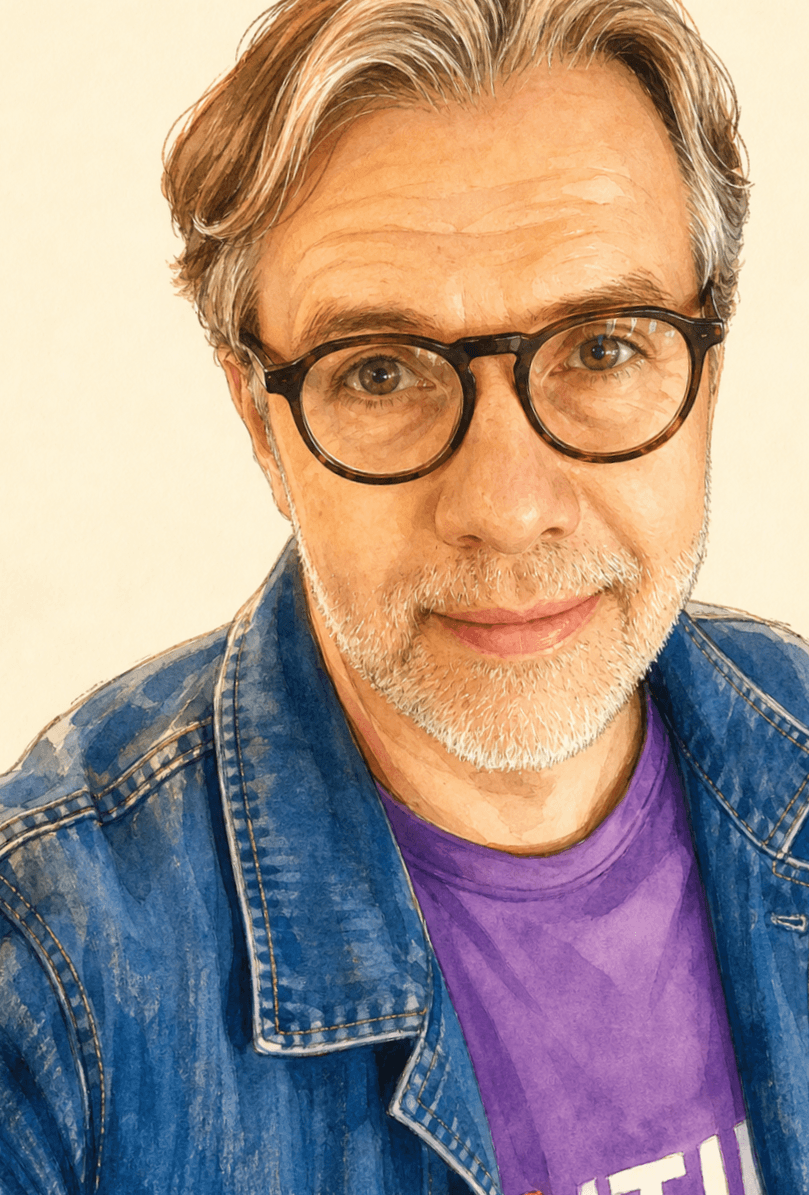
Roman Zhuravlev
Senior ITIL architect / PeopleCert
The 7 Myths of Service Management (EN)
27
2026-11-05
2026-11-05 12:20
11:40
00:00
Europe/Bratislava
Service management is everywhere — yet many organisations still struggle to deliver real value. This keynote challenges seven deeply embedded myths that shape how service management is understood and practiced, and reframes it as a capability for enabling value across the organisation.
Sophie Hussey
Director | Keynote Speaker / Lapis Consulting Services
Enterprise Service Management: A Logical Model for Real Service Transformation
27
2026-11-05
2026-11-05 13:00
12:20
00:00
Europe/Bratislava
In this session, I will introduce a practical and structured approach to Enterprise Service Management inspired by #TheESMGuide, designed to help organisations move beyond IT-centric thinking and unlock real cross-functional value. Rather than focusing on frameworks, the session will explore how to design and govern a coherent service ecosystem that integrates business, IT, and operations. […]
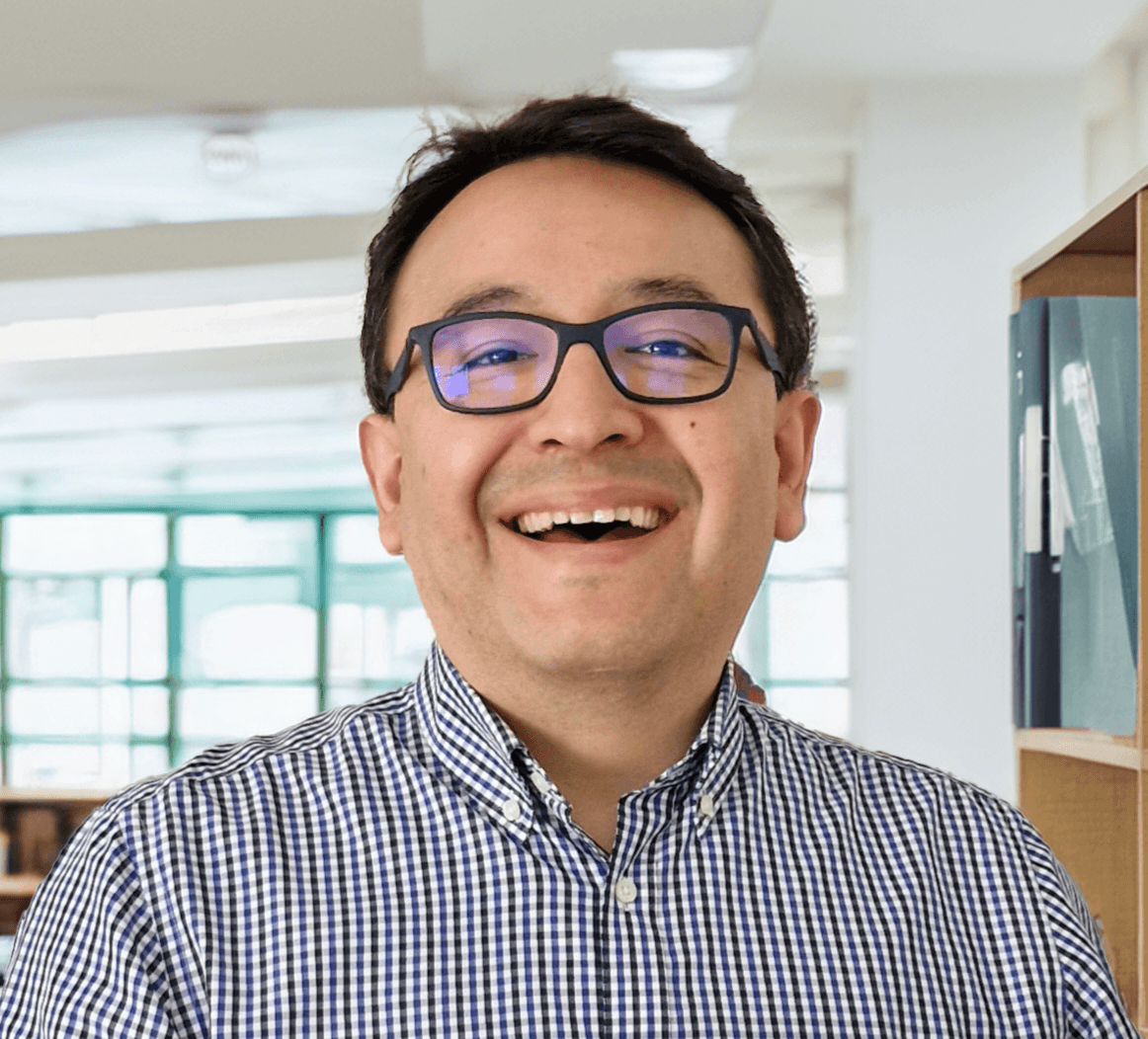
JuanMa Espinoza
Head of Service Transformation / Axians Spain
"It's Not You, It's Me": Why Changing Your ITSM Tool Might Not Fix Your ITSM Issues (EN)
27
2026-11-05
2026-11-05 14:40
14:00
00:00
Europe/Bratislava
Organisations often rush to replace their ITSM tool to improve service management capabilities, only to find the same issues persist. This presentation explores the root causes of ITSM tool dissatisfaction and offers practical guidance on building a stronger service management foundation before reaching for a new tool as a "silver bullet."
Stephen Mann
Principal Analyst & Content Director | Keynote Speaker / ITSM.tools
What the Founding Fathers Knew – and We Have Forgotten About ITIL
27
2026-11-05
2026-11-05 15:10
14:40
00:00
Europe/Bratislava
Does it make sense to go back to the roots? Which key ITSM concepts have we started to lose sight of? And do you know why humans, not octopuses, came to dominate the world? Why did humans, not octopuses, come to dominate the world? Scientists have found that the reason is not lower intelligence, but […]

Ivana Šabatová
Managing Partner | Senior Business Consultant / sabi-consulting.cz
Panel discussion (EN)
27
2026-11-05
2026-11-05 15:50
15:10
00:00
Europe/Bratislava
JuanMa Espinoza
Axians Spain
Michal Korf
BOOTIQ
Miroslav Hlohovský
OMNICOM
Roman Zhuravlev
PeopleCert
Sophie Hussey
Lapis Consulting Services
Stephen Mann
ITSM.tools
Zuzana Reľovská
Wellbeing Advisory
Lindner Hotel Gallery Central
Metodova 4, 821 08 BratislavaOrganizers
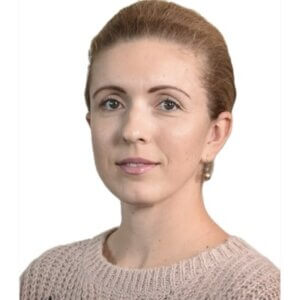
Veronika Horniaková
IT Consultant and lecturer at Ekonomická univerzita v Bratislave
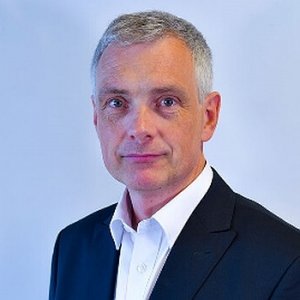
Pavol Holbík
Head of training services at omnicom, Member Of The Board at itSMF Slovensko
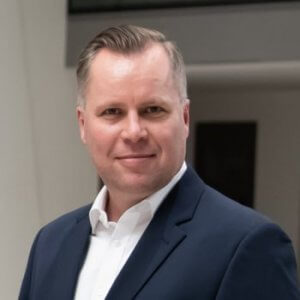
Igor Dimitrovič
Chairman Of The Board at itSMF Slovensko

Veronika Ďurfinová
IT Specialist at Softec, itSMF Slovakia Administration
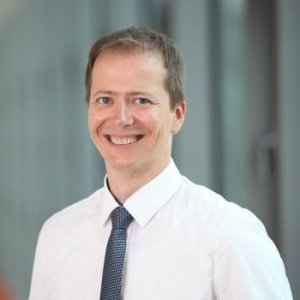
Martin Lacko
Head of Change management in Slovenská sporiteľňa, Member of the Supervisory Board at itSMF Slovakia
Peter Jasenovec
Consultant, Enterprise Architecture & IT Service Excellence at Aardwark, Member of the Supervisory Board at itSMF Slovakia